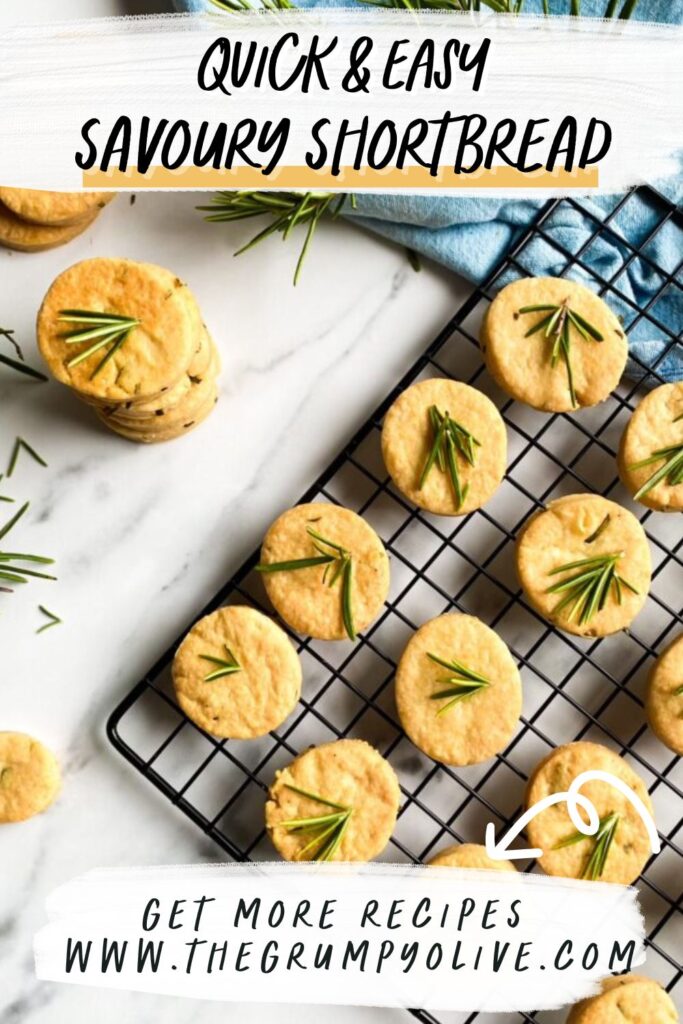

Most Delicious Savory Shortbread With Parmesan And Rosemary,
This post for the savory shortbread was first published on the 9th December 2020.
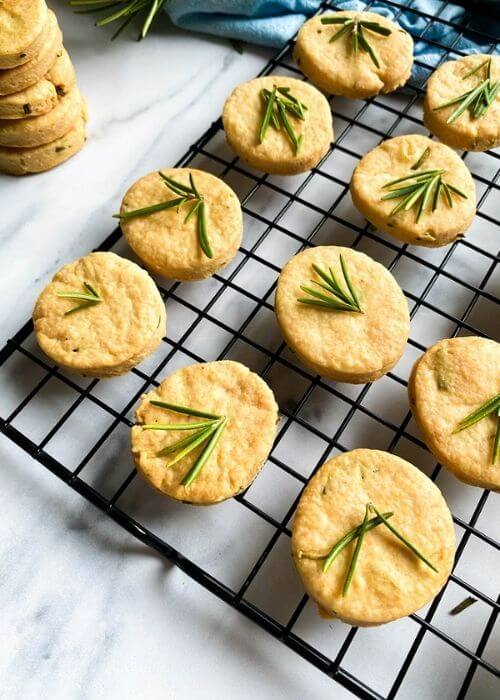
If you know me, I am all for shortbread, whatever kind and flavour is added, but this savory shortbread with parmesan and rosemary it’s a whole different level. And I will get you addicted to this herb shortbread in no time. Mostly because the fresh herbs and cheese make it extremely addictive, I swear.
They make the perfect snack on those long Christmas days when the holidays are just never ending and all we do is eat. They are extremely easy to make, take no time and even the worst of bakers can make some great rosemary shortbread cookies with little to no mess.
Back when we made these savory shortbreads in 2020, we were hooked. We already love sweet shortbread and have made a couple of recipes with it like the most traditional millionaire shortbread, but if you have never gone savory, then this is the time. And who says these can’t be your next homemade Christmas gift?
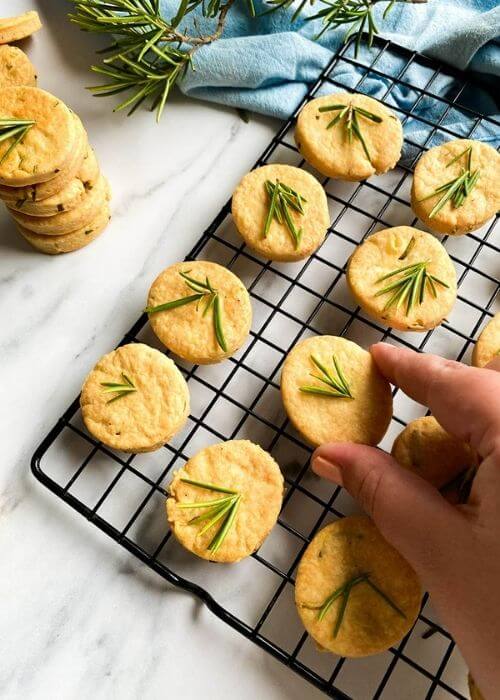
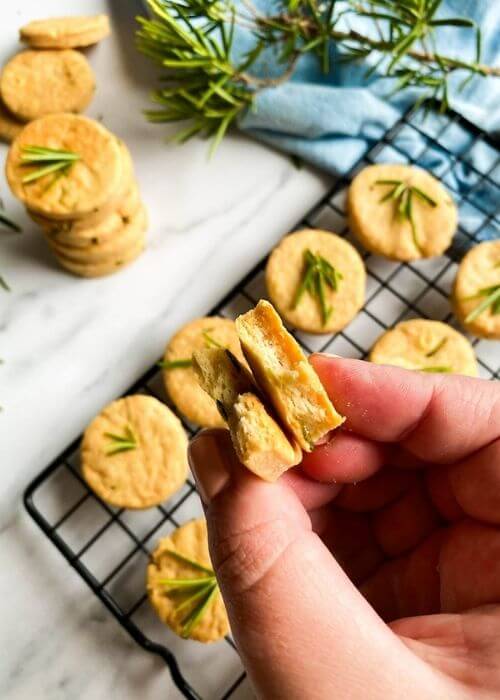
Buttery, flaky and packed with the most delicious flavours of Parmigiano Reggiano and fresh rosemary, if this alone doesn’t sell these shortbread crackers to you then I don’t know what will. Less talking and more making, though, so let’s get this show on the road and enjoy the savory shortbread recipe as we speak.
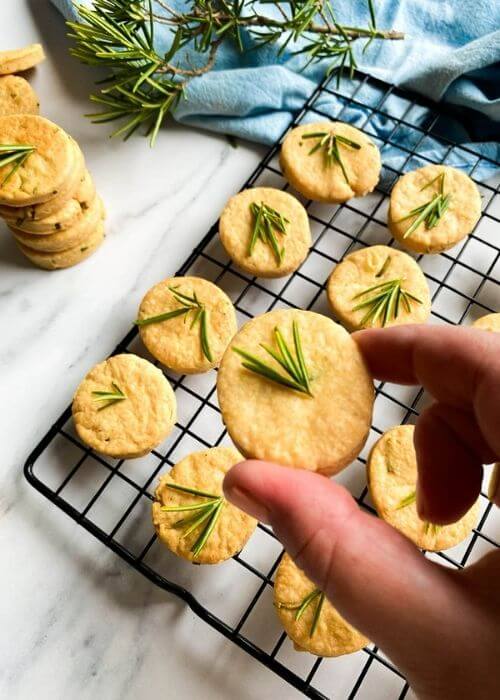
I love me some savory shortbread biscuits
One of the easiest recipes to put together whether or not you have a food processor, these savory shortbread biscuits are simple yet sophisticated and extremely delicious. Let’s see together how we make them.
What is shortbread?
Shortbread is a traditional Scottish biscuit that is beloved for its simplicity and rich, buttery taste. Made primarily from flour, sugar, and unsalted butter, shortbread has a crumbly, melt-in-your-mouth texture that sets it apart from other baked goods.
Its rich, buttery flavour comes from a high-fat content, with butter making up a significant proportion of the ingredients. The simplicity of shortbread’s ingredients belies its complex history and cultural significance.
Shortbread’s roots trace back to medieval Scotland, where it was originally known as a type of biscuit bread made from leftover dough from bread-making. This dough would be sweetened and baked again to create a hard, dry biscuit. Over time, the yeast in bread dough was replaced by butter, which gave rise to the shortbread we recognize today.
The name shortbread comes from the word short, which refers to the crumbly texture that results from the high fat content in the dough, preventing long gluten strands from forming.
By the 16th century, shortbread had evolved into a luxury item, largely due to the expensive ingredients, particularly butter. It became associated with special occasions such as weddings, Christmas, and Hogmanay, which are Scottish New Year celebrations. It was especially popular in the Scottish Highlands and became a symbol of festivity and good fortune.
One of the most significant figures in shortbread’s history is Mary, Queen of Scots. In the 16th century, she was said to have been fond of a variation of shortbread called petticoat tails, a round, fan-shaped version flavoured with caraway seeds. This association with royalty helped popularize shortbread throughout the country.
As Scotland’s culinary heritage spread, shortbread travelled beyond its borders, becoming popular in other parts of the UK and eventually internationally. Today, shortbread is not only a staple of Scottish culture but also enjoyed worldwide, with many regional variations and adaptations.
Shortbread remains a favourite treat for its rich taste and versatility. Though the classic three-ingredient recipe is still widely used, modern variations can include flavourings like vanilla, chocolate, or fresh herbs. The biscuit is also known for its durability and can be packaged and stored for long periods, making it a common gift item.
What about parmesan?
Parmesan, known as Parmigiano Reggiano in Italy, is a hard, granular cheese that originates from the Parma, Reggio Emilia, and surrounding regions of Italy. Often referred to as the King of Cheeses, Parmesan has been cherished for centuries due to its rich, nutty flavour and unique texture.
It is made from cow’s milk and aged for a minimum of 12 months, though some varieties can age for up to 36 months or longer, which intensifies its flavour and creates its characteristic crystallized texture.
The history of Parmesan cheese dates back to the Middle Ages, when monks in northern Italy began developing hard cheeses that could be stored for long periods. The provinces of Parma and Reggio Emilia provided the ideal conditions for this process, including rich pastures for dairy cows. These regions became renowned for producing Parmigiano Reggiano, with strict production techniques passed down through generations.
Parmigiano Reggiano has been produced in much the same way since the 13th century, and today it is protected by a Denominazione di Origine Protetta (DOP), or Protected Designation of Origin (PDO). This means that for a cheese to be labelled as Parmigiano Reggiano, it must be produced in specific regions of Italy and follow traditional methods. Any other cheese, even if similar, cannot legally be called Parmesan within Europe, though the name Parmesan is often used internationally to refer to similar cheeses.
The making of Parmigiano Reggiano follows a time-honoured process. Raw, partially skimmed cow’s milk is heated in copper vats, and natural whey and rennet are added to curdle the milk. The curds are then cut and cooked, drained, and pressed into moulds. After being salted in brine for several weeks, the wheels are aged in temperature-controlled rooms, flipped and cleaned regularly to ensure even ageing.
During the ageing process, the cheese develops its signature nutty and umami flavours, while the texture becomes firm and crystalline. The longer it ages, the more intense the flavour becomes. The ageing process also makes the cheese suitable for grating over dishes like pasta, soups, or risotto.
In addition to its flavour, Parmesan is valued for its nutritional benefits. It is high in protein, calcium, and vitamins, and since it is lactose-free due to its long ageing process, it is easily digestible for those with lactose intolerance.
Is rosemary good for you?
Yes, rosemary is indeed good for you! This aromatic herb offers several health benefits due to its rich content of antioxidants, vitamins, and minerals. Here are some of the key health benefits of rosemary:
- Rich in Antioxidants: Rosemary is packed with antioxidants, such as rosmarinic acid and carnosol, which help protect the body from oxidative stress and inflammation. Antioxidants play a crucial role in neutralizing free radicals, which can otherwise damage cells and contribute to ageing and diseases like cancer;
- Improves Digestion: Rosemary has traditionally been used to support digestive health. It can help stimulate the production of bile, which is essential for digesting fats. Drinking rosemary tea or adding the herb to meals can alleviate indigestion and bloating;
- Enhances Memory and Concentration: Research suggests that rosemary may help improve cognitive function, particularly memory and concentration. Compounds in rosemary, such as 1,8-cineole, have been linked to increased alertness and better overall cognitive performance. In fact, the scent of rosemary has long been associated with improved memory in herbal lore;
- Anti-inflammatory and Pain Relief Properties: Rosemary contains anti-inflammatory compounds that may help reduce swelling and pain. It is often used in topical treatments for muscle pain, joint inflammation, and arthritis. Applying rosemary essential oil or infused oil to the skin can provide some relief from these conditions;
- Supports Immune Function: The antioxidants in rosemary, combined with its antibacterial and antifungal properties, may help strengthen the immune system. Regular consumption of rosemary may protect against infections and boost the body’s natural defences;
- Improves Circulation: Rosemary is known to improve blood circulation, which is beneficial for cardiovascular health. Better circulation means improved oxygen and nutrient delivery to tissues and organs, supporting overall health;
- Supports Hair Health: Rosemary oil is a popular natural remedy for hair growth. It is believed to stimulate blood flow to the scalp, which can promote hair growth and help prevent dandruff or scalp irritation. Some studies suggest that rosemary oil may be as effective as certain pharmaceutical treatments for hair thinning;
- Anti-cancer Properties: Emerging research suggests that the compounds found in rosemary, such as carnosic acid and rosmarinic acid, may have anti-cancer properties. These compounds appear to inhibit the growth of certain cancer cells and prevent the spread of tumors in preliminary studies;
- Liver Detoxification: Rosemary is believed to support liver detoxification, which helps in flushing out toxins from the body. This can improve liver function and protect the liver from damage caused by toxic substances like alcohol or environmental pollutants.
What ingredients do I need to make this savory shortbread?
Let’s dive into each ingredient for your savory shortbread recipe:
- All Purpose Flour: All purpose flour is a versatile flour made from a blend of hard and soft wheat. It’s commonly used in many baking recipes, including cookies, cakes, and pastries. For the savory shortbread, it provides its structure and texture. The protein content in all purpose flour helps create a tender crumb while still allowing the shortbread to hold its shape. You can swap this for your gluten-free flour mix to make these savory shortbread gluten free;
- Parmesan Cheese: Parmesan cheese adds a rich, nutty flavour to the savory shortbread. When grated, it melts slightly during baking, contributing to a delightful, savory taste. It also enhances the overall umami profile of the savory shortbread. Freshly grated parmesan is recommended for the best flavour, as pre-grated varieties may contain anti-caking agents that can affect the texture of your savory shortbread. If you don’t have any, you can swap it for aged cheddar cheese, but the flavour will be different;
- Fresh Rosemary: Fresh rosemary brings a fragrant, herbaceous quality to the savory shortbread. Its aromatic oils infuse the dough, creating a lovely contrast to the richness of the butter and cheese. When using fresh herbs, make sure to finely chop the rosemary to ensure even distribution throughout the dough;
- Salt: Salt is essential in baking, even in sweet recipes, as it enhances flavours and balances sweetness. In the savory shortbread, it complements the cheese and herbs, helping to bring out their natural flavours. Be mindful of the quantity, especially if using salted butter or salty cheese;
- Freshly Ground Black Pepper: Freshly ground black pepper adds a subtle heat and complexity to the flavour profile of the savory shortbread. Using freshly ground pepper is crucial because it has a more robust and aromatic flavour compared to pre-ground pepper. The warmth of the pepper can elevate the savory aspects of the cookies, making them more interesting;
- Unsalted Butter: Unsalted butter is the primary fat in shortbread, contributing to its rich flavour and crumbly texture. Using unsalted butter allows you to control the saltiness of the final product. The butter should be at room temperature for easy mixing, helping to create a smooth dough. The fat content in butter also helps create that characteristic tender, melt-in-your-mouth texture;
When combined, these ingredients create a savory shortbread that is buttery, crumbly, and full of flavour. The balance of cheese, herbs, and spices elevates this classic treat, making it perfect for snacking or as an accompaniment to cheese and charcuterie boards. Enjoy your baking!
How do I make this savoury shortbread?
This savory shortbread can be made either by hand or using a food processor.
If you have a food processor, all you really have to do is put all your ingredients in the jug of your food processor and blitz until the dough comes together. You can now take it out of the food processor and cover it with plastic wrap to rest in the fridge for one hour or even overnight.
If you do not have a food processor, all you need to do is get the butter to incorporate with the rest of your ingredients by rubbing it together using your hands. A little messier, but still a good enough process. Then, just like with the other method, you will cover the dough that has come together with cling film and place it in the fridge to rest.
Once time has passed, you can use a rolling pin to get the dough to a 1/8 inch and then you can proceed to cut to shape with a cookie cutter or a simple, small glass. Place all these in a sheet pan covered with a baking sheet and bake at 180°C for 12-15 minutes.
Cool the savory shortbread completely before serving and voila, deliciously easy and ready in no time!

Savory Shortbread with Parmesan and Rosemary

Ingredients
- 1 ¼ cups flour
- 1 cup shredded parmesan
- 2 tbsp of minced rosemary
- ½ tsp of salt
- ¼ tsp ground black pepper
- ½ cup unsalted butter room temperature
- extra herb for topping
Instructions
- Mix flour, parmesan, rosemary, salt and pepper in the bowl of a food processor.1 ¼ cups flour, 1 cup shredded parmesan, 2 tbsp of minced rosemary, ½ tsp of salt, ¼ tsp ground black pepper
- Add the butter in small cubes until you reach a crumbly mixture.½ cup unsalted butter
- Keep on the food processor for another thirty seconds until the mixture comes together. If it doesn’t, add a 1/2 tsp of water and process for another thirty seconds.
- Create a flat disk with the dough and wrap it in cling film.
- Make sure the dough is smooth and there’s no flour crust on it, in case just knead with your hands.
- Leave it to rest for an hour in the refrigerator.
- Preheat the oven to 180C.
- Roll the dough a 1/8 inch between two sheets of waxed paper.
- Place the herbs on top, and leave space in between them to cut the dough.extra herb for topping
- Put the waxed paper over and roll lightly with your rolling pin.
- Using a 2-inch cookie cutter, cut out your shortbread.
- Place them on a tray with baking paper.
- Roll the dough again and repeat until finished.
- Bake the shortbread for 12-15 minutes, until golden on the edges.
- Leave them on the tray and then cool them down on a rack.
Notes
- They will hold well for a couple of weeks or you can make the dough ahead and freeze it.
- You can also make it quicker and roll the dough in a log, slice and bake.
shop the savoury shortbread recipe

Do you have more Christmas recipes to suggest?
We are huge Christmas fans, so these savory cookies are not the only ones we love to make for the big day. Some of our favorite Christmas recipes are:
- Couscous stuffed butternut squash;
- Vegan mushroom Wellington;
- Vegan clementine curd;
- Vegan hot chocolate cookies;
- Gluten-free & vegan amaretti cookies;
- Hasselback carrots with almonds & pomegranates.
- Air fryer scalloped potatoes;
- Christmas vegan swiss roll;
- Bourbon mixed berries pie;
- Easy pistachio panettone;
- Gingerbread Pavlova;
- Christmas gingerbread ornaments;
- Salted caramel Yule log;
- Maple cranberry Bourbon cocktail;
- Jalapeño cranberry meatballs;
- Christmas focaccia;
- Baileys Eggnog.
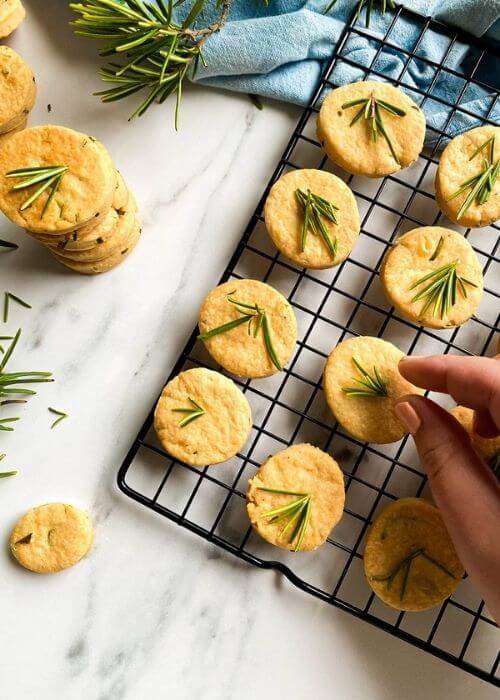
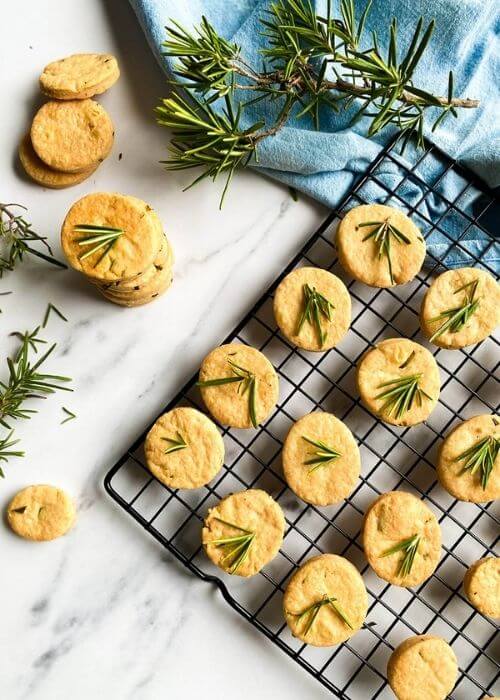
Once your savoury shortbread with Parmesan and rosemary has baked to a beautiful golden hue, remove the tray from the oven and allow the shortbread to cool slightly on a wire rack. The aroma of the rosemary and Parmesan will fill your kitchen, adding to the anticipation!
These delightful savory shortbread biscuits can be enjoyed warm or at room temperature. Serve them as an appetizer, alongside a cheese board, or paired with a glass of wine. Their crumbly texture and rich flavours make them a perfect snack for any occasion. You can also store the savory shortbread in an airtight container for up to a couple of weeks – if they last that long!
Pin this savory shortbread recipe for later!